
A Step-by-Step Guide to the Reverse Mortgage Process
Navigating the reverse mortgage process
For many seniors, the idea of a reverse mortgage can be both intriguing and a bit intimidating. While the benefits of accessing your home equity are clear, the process of obtaining the loan may seem complex. This guide is designed to demystify the reverse mortgage process, breaking it down into simple, easy-to-understand steps. From the initial consultation to the final closing, we'll walk you through everything you need to know.
The first step in the reverse mortgage journey is an initial consultation with a qualified reverse mortgage specialist. During this meeting, you'll have the opportunity to discuss your financial goals and determine if a reverse mortgage is a good fit for your individual circumstances. Your specialist will review your property's estimated value, your age, and other factors to provide you with an estimate of how much you may be able to borrow. This is also an excellent time to ask questions and to learn more about the different payment options available to you. A good specialist will take the time to understand your unique situation and to provide you with personalized guidance.
Once you decide to move forward, the next step is to complete a mandatory counseling session with a HUD-approved counselor. This independent, third-party counseling is required by federal law and is designed to ensure that you fully understand the terms of the loan, the potential risks, and any alternatives that may be available to you. The counselor will review the financial implications of a reverse mortgage and answer any questions you may have, empowering you to make an informed decision.
After completing the counseling session, you will move on to the application and documentation phase. Your reverse mortgage specialist will guide you through the application, helping you gather the necessary paperwork. This typically includes proof of age, ownership of the property, and information about any existing mortgages or liens. An appraisal of your home will also be ordered to determine its current market value, which is a key factor in calculating the amount you can borrow.
The underwriting and approval process is the next stage. The lender will review your application, the appraisal report, and your financial assessment to ensure that you meet all the eligibility requirements. This includes verifying that you have the financial capacity to continue paying for property taxes, homeowners insurance, and home maintenance. Once your application is approved, you will proceed to the closing.
At the closing, you will sign the final loan documents. This is also when you will choose how you want to receive your funds. You can opt for a lump sum, a line of credit, monthly payments, or a combination of these options. Your specialist will help you to select the payment plan that best aligns with your financial goals. After the closing, there is a three-day right of rescission, during which you can cancel the loan for any reason without penalty. This provides you with an additional layer of protection and peace of mind.
Navigating the reverse mortgage process can be a smooth and straightforward experience when you work with a knowledgeable and experienced professional. Our team is committed to providing you with the guidance and support you need every step of the way.
Ready to take the first step?
Contact us today to schedule a free, no-obligation consultation. '''
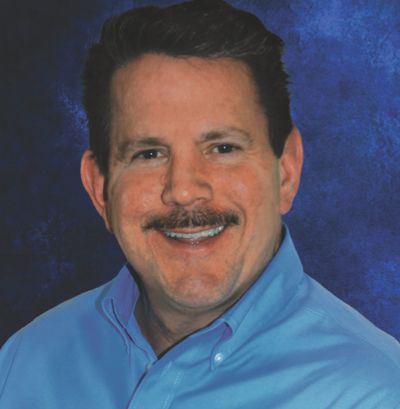
Set-Up a Confidential Discussion
If you or your client are unsure about the details of a reverse mortgage, has questions, or wishes to get started, feel free to schedule a time on Robb's calendar.